top of page


Sources
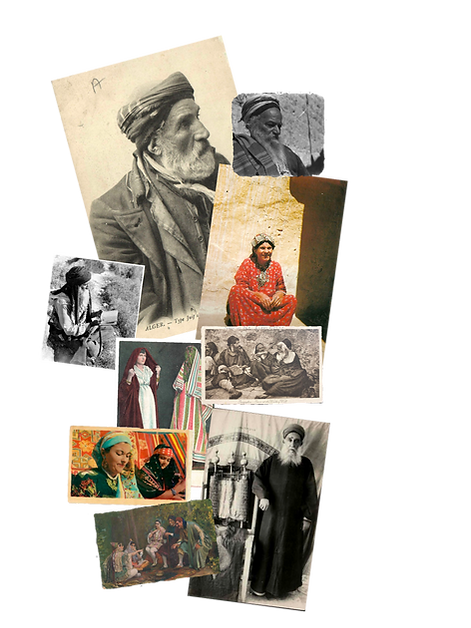
For over 1000 years, the Sudra was the defining Jewish head covering – mentioned in countless rabbinic texts, long before the modern Kippah, which was a later tradition absent from the biblical world.

In the Babylonian Talmud, the name was an acronym for the verse:
"סוד ה' ליריאו"
Sod Hashem lire'av
"The counsel of the Lord is with those who fear him."
(Psalms 25:14)
1) Where does the word "Sudra" come from?


2) Where is the Sudra mentioned?
The Sudra is mentioned multiple times in the Talmud, which was completed in around 500 CE – this text makes numerous mentions of the Sudra and is an important source for its role in Jewish life. For example:
Other mentions can be found in: Shabbat 3:3, 20:2, Yoma 6:8, Sanhedrin 6:1, 7:2–3, Tamid 7:3, and Keilim 29:1.
"הֲבִיאֵהוּ לְיָדִי. כִּי אֲתָא חַזְיֵיהּ דְּלָא פָּרֵיס סוּדָרָא. אֲמַר לֵיהּ: מַאי טַעְמָא לָא פָּרֵיסַתְּ סוּדָרָא"
"When Rav Hamnuna came before him, Rav Huna saw that he did not cover his head with a cloth, as Torah scholars did. Rav Huna said to him: What is the reason that you do not cover your head with a cloth?"(Kiddushin 29b:16)

3) What is the blessing on our Sudra design?

"עוטר ישראל בתפארה"
Oter Israel betiferah
"(He) who crowns Israel with Glory"
(Berakhot 60b)



bottom of page